
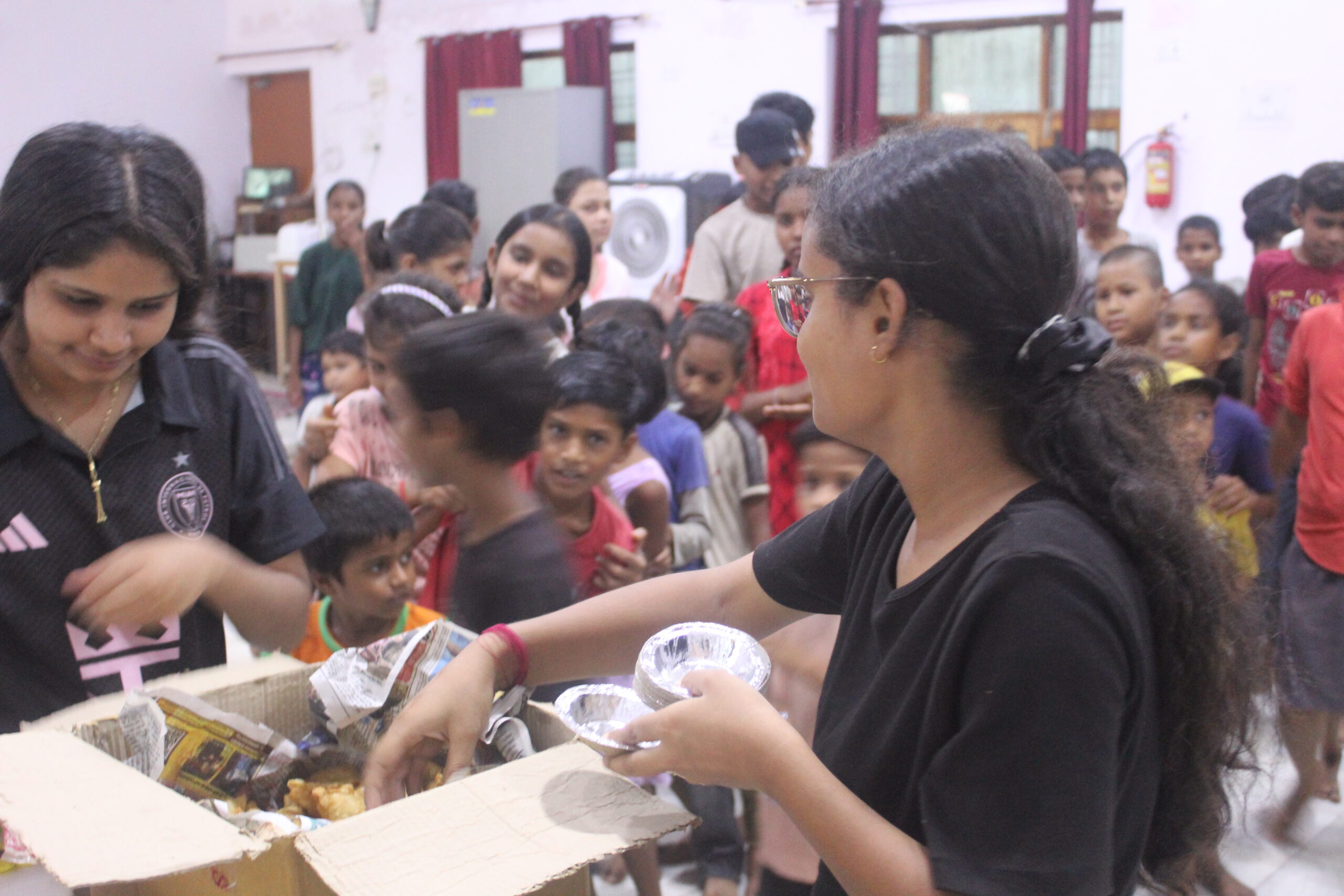


At first glance, it seems like nothing more than a paper plate. Bouncing it under a load of rice and beans, which causes it to bend; a puff of steam coming off the hot food, which then fogs up the person’s glasses all the way down the corridor to the folding tables. But, for a person who hasn’t had any hot meal for more than 48 hours, the plate is a real moment of light in the darkest day.
Meal drives are often discussed for numbers: how many lunches have been distributed, the number of volunteers, and what’s the weight of all those food items that have been collected. In these metrics, it is very hard to recognize what actually happens after people have finished their meals at the table.
The Quiet Shame Nobody Puts on a Flyer
Alongside the former school teacher, a middle-aged woman who lost her job three months ago, sits. The two share a meal of seconds, and conversation turns to grandchildren. Nothing is planned, really. That kind of connection is just natural between people who have been spending enough time together. Hunger in the streets goes beyond just lacking access to food in your home and stomach. Hunger is also a state of mind, a feeling of being alone, the unspoken shame in the act of receiving help, the fear of not having been a source of the help oneself. The soup kitchen is like two opposing things: first, the sad, abandoned, lonely feeling which one cannot get rid of, and one can still get rid of it if they come here. On the other side, one also experiences a sense of freedom and acceptance since it’s the only place where you don’t have to answer why you’re
there or who you are.
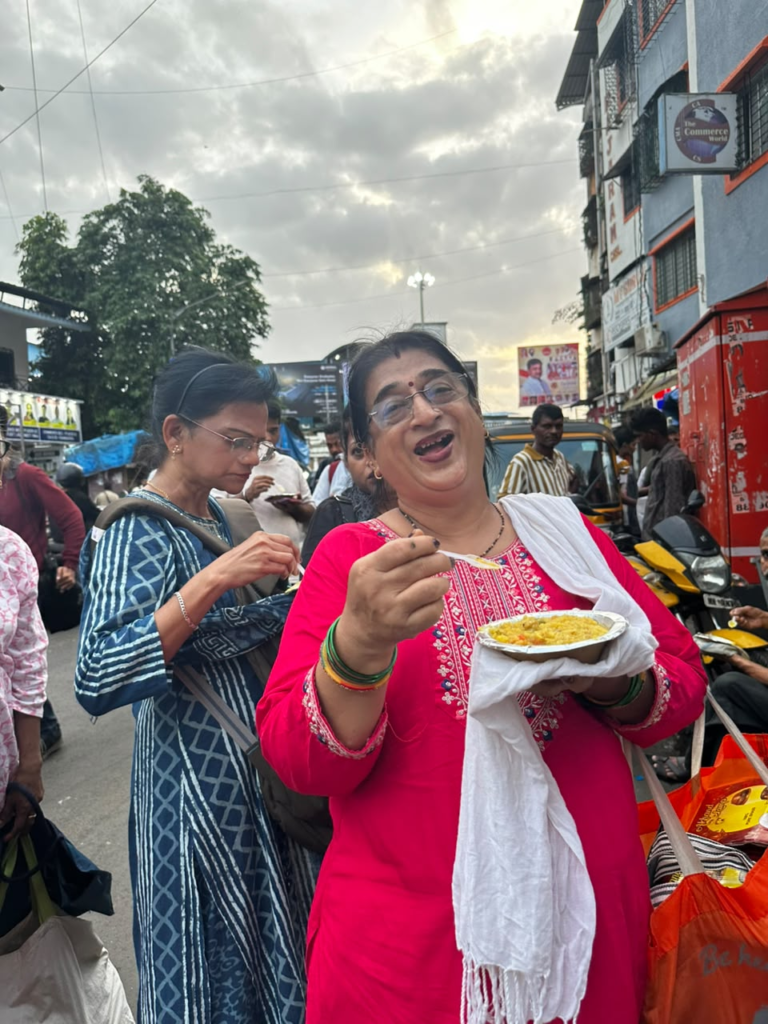
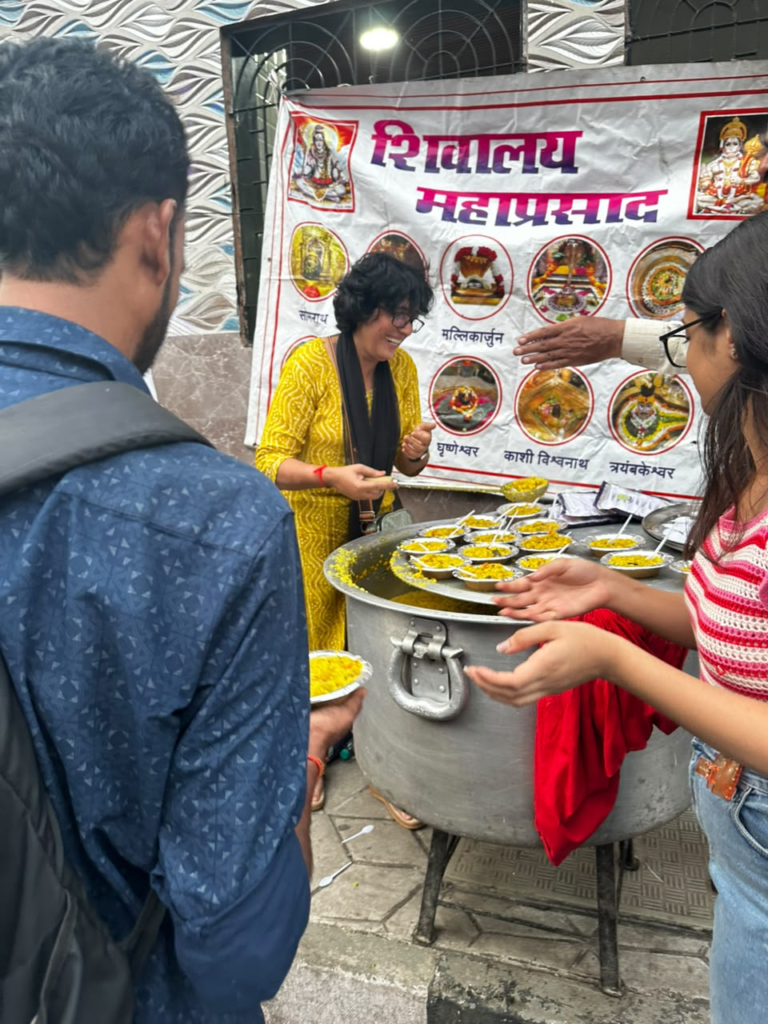
What Happens on Other Side of the Table?
Volunteers notice this shift too. Ladling soup for two hours sounds simple, but people who do it week after week say it changed how they see their neighborhood. They start recognizing faces, who takes extra bread for the kids, who says thank you twice like the first didn’t count. Recipients get fed, but many say the food wasn’t the main thing. It was getting looked at like a person for ten minutes. One retired nurse doesn’t remember most meals, but she remembers the names. None of this shows up in a spreadsheet. But it’s probably the real reason meals drive outlast the funding cycles they’re supposed to depend on. People keep showing up long after the grant money runs dry, not because a budget renewed, but because they found something at that folding table. A plate of food solves one problem for one evening. Whatever happens around it sticks longer.
A community meal drive feeds more than hunger. Somewhere in that folding-table line, people remember they still belong.